Earthenware sculpture shows a remarkable medium category with a extensive chronicle, traveling back thousands of centuries. From ancient jars to cutting-edge exhibitions, the matter offers unique possibilities for creative manifestation. Artisans practice assorted techniques – including hand-building, wheel shaping, and developed firing processes – to fashion humble loam into beautiful three-dimensional creations. The resilience of fired stoneware also contributes to its status as a truly memorable part of human custom.
Exploring Ceramic Panel Styles and Procedures
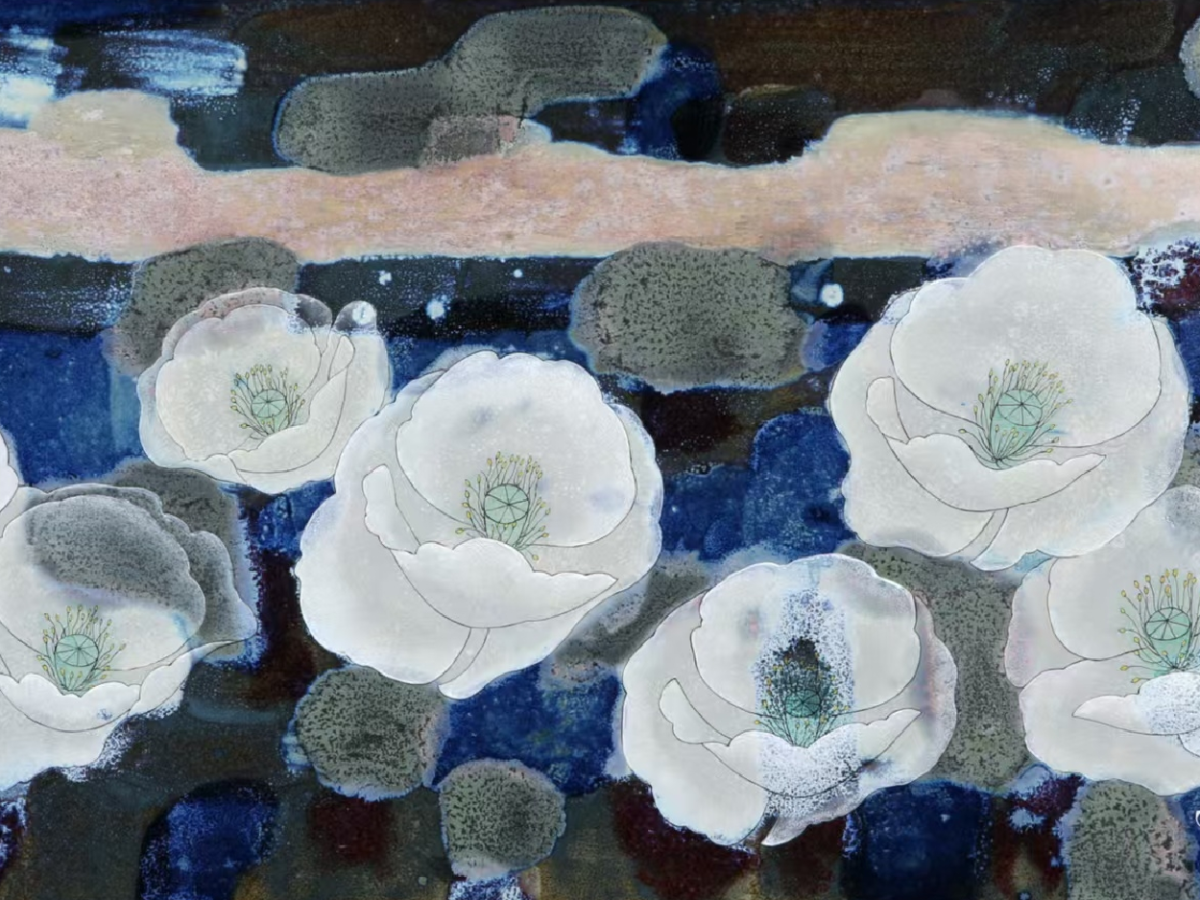
The sphere of ceramic sign design offers a sizable array of original possibilities. Sculptors often explore a blend of classic and contemporary techniques to produce visually beautiful pieces. These can span from simple, molded reliefs to complex, multi-layered layouts. Standard methods include form mold, hand crafting, surface glazing – which can involve a range of forms like pre-firing decoration, top glaze design, and carved drawing where designs are brought out by scraping a layer of sheen. Enhanced inquiry into exterior stylings such as thermal treatment and shimmer glaze can bring about truly exceptional and individualized pottery plaques.
- Mold Fabrication - Fabricating pieces using a cast
- Manual Fabrication - Carefully molding the earth
- Surface Treatment - Painting the overlay with a glassy finish
- Sgraffito - Highlighting designs by peeling off coatings
Fascinating Experiences: Stoneware Art Presentations
The evolving landscape of culture presents exciting cutting-edge avenues for audiences, and ceramic art installations are at the apex of this revolution. These aren't just static forms; they are assembled to envelop the onlooker in a sensory environment. Imagine navigating within a forest of towering, coated ceramic trees, or navigating a mesh of exquisite ceramic vessels. Many creators are now incorporating noises, visuals, and even smell to enhance the effect of their work. Consider the power of a room filled with hundreds of delicately ceramic items, each telling a legend. Regularly, such installations probe themes of environment, remembrance, and people.
- These particular installations blur the divisions between statue and structure.
- Interacting with a ceramic art installation can be a deeply meaningful journey.
- Producers are expanding the edges of what is conceivable with clay.
Any Allure of the Porcelain Vase: Role and Configuration
The earthenware holder represents a remarkable mixture of applicability and aesthetic appeal. Historically, these urns served a elementary assignment in containing plants, but their maturation has transformed them into highly valued works of craft. Each object showcases the mastery of the potter, demonstrating how design can be as noteworthy as application. The deliberate shaping, the uncommon glazes, and the comprehensive presence of a beautifully-crafted urn can upgrade a space, offering both allure and a subtle reminder of the craftsman’s hand.
Recent Ceramic Form : Stretching Thresholds
State-of-the-art pottery form represents a fascinating change from customary practices. Sculptors are actively innovating with different processes, dissolving the frontiers between design and different craft disciplines. From monumental installations to delicate miniature pieces, these kinds of works delve into themes of persona while parallelly remodeling the fundamental of what terracotta can realize. The result is a vigorous sphere of expressive articulation.
Porcelain Plate: Upholding Chronicle in Terracotta
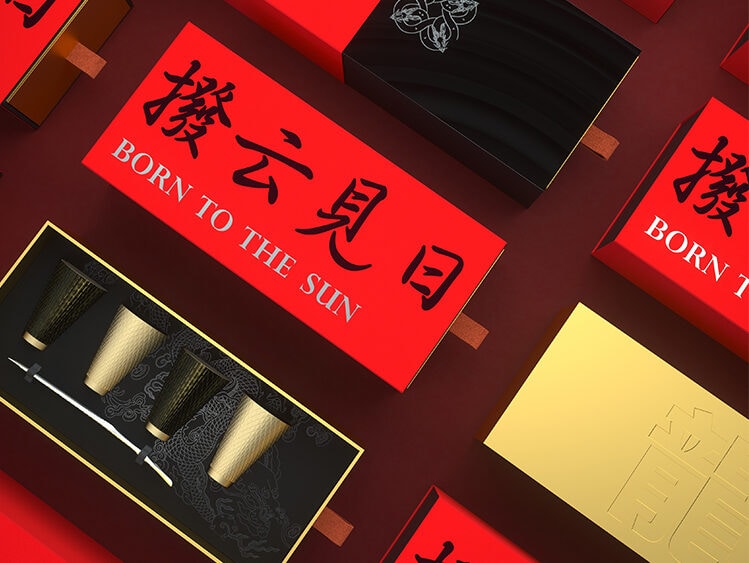
Terracotta plaques offer a uncommon method for capturing significant events and characters. Contrasted with traditional metal or stone markers, these tough pieces of design are formed from hardened clay, creating a physical link to the past. Typically, they highlight intricate bas-reliefs or artistically decorated imagery, illustrating stories that might otherwise be disregarded. These technique, coming from ancient societies, Jingdezhen Ceramic Cup Set provides a aesthetically pleasing and lasting way to respect our collective chronicle.
- The aforementioned can be positioned in communal spaces.
- Many are now recognized historical remnants.
Earthenware Art Creations: Transforming Sites
Porcelain art installations are becoming a powerful medium for makers to reinvent public and private venues. These immersive projects frequently involve extensive clay forms that draw viewers, transforming their experience of the developed environment. By integrating diverse processes like hand-building and advanced firing techniques, ceramic artists fashion truly uncommon experiences, dissolving the limits between design and venue. The consequence is often a poignant conversion that enhances the creative quality of the setting and initiates reflection.
Outset Turning Device to Awe: The Skill of the Brick Urn
The journey of a brick urn from a simple lump of dirt to a elegant work of composition is a testament to human creativity. Customarily, the process starts with the potter’s spin wheel, where the skilled artisan builds the circling material into a cylindrical profile. This first period demands skilfulness and a trained eye, followed by a delicate solidifying period. Once bisque-fired, the urn is ready for finishing, which may involve coloring intricate figures, carving detailed views, or implementing a variety of finishes. The ending kiln firing process then alters the item into a durable and attractive vessel, a tangible embodiment of the craftsman's imagination.
Carving with Earthenware: A Manual to Terracotta Project
Delving the sphere of earthenware design begins with mastering the rudiments of shaping with ceramic material. That means includes systematically adding and removing mass to build three-dimensional artifacts. Regardless of you're a apprentice or a accomplished practitioner, working with different types of earthenware – like porcelain – will enable you find your distinctive voice. Eventually, earthenware crafting is a gratifying experience that integrates artistic ability with artistic representation.