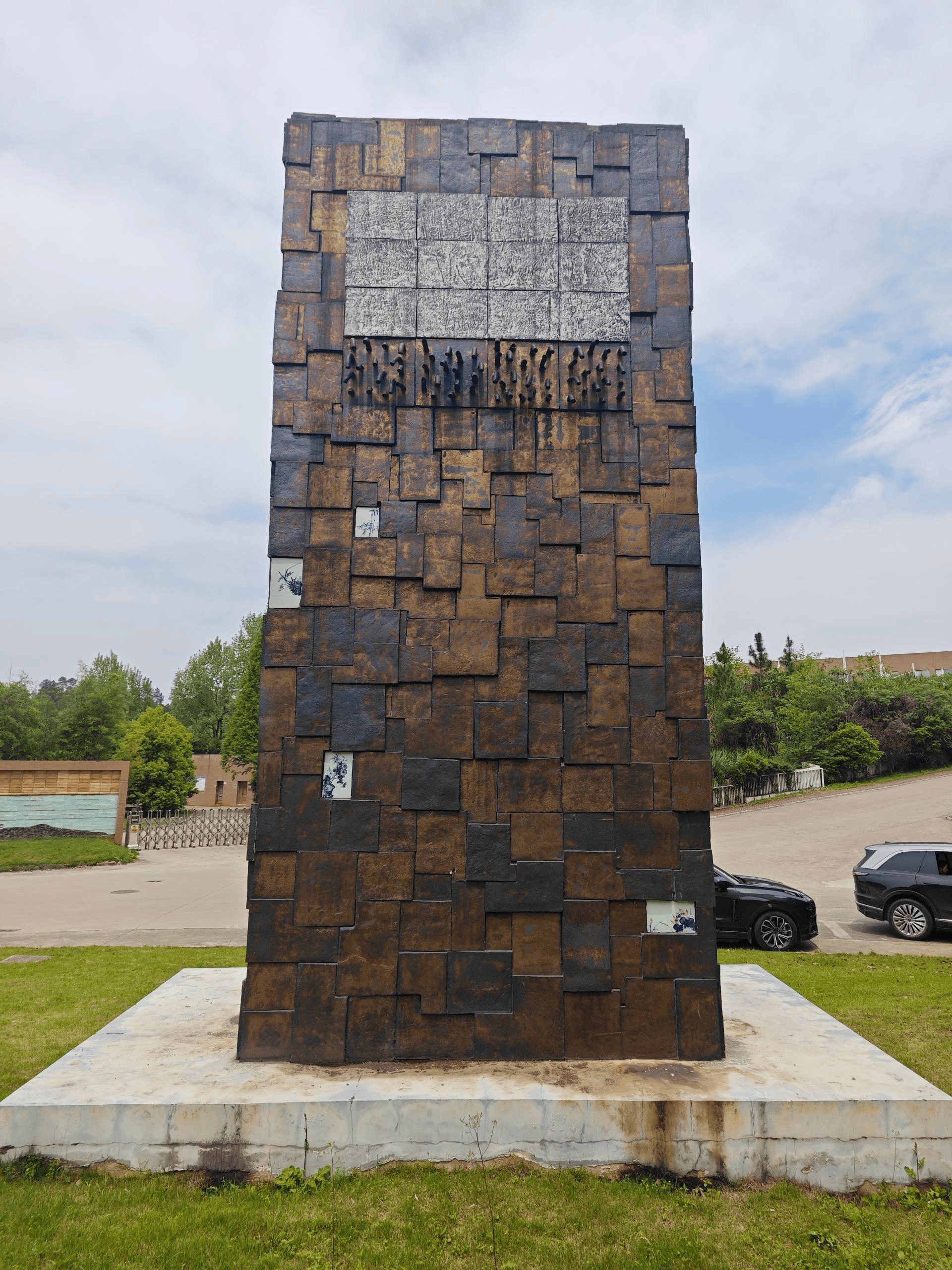
Brick form symbolizes a striking art genre with a considerable past, running back legions of times. From ancient receptacles to present-day installations, the substance offers unique possibilities for creative manifestation. Artisans practice various techniques – including modeling, wheel rotating, and refined firing processes – to manufacture humble earth into stunning three-dimensional objects. The toughness of fired stoneware also contributes to its status as a truly memorable part of human society.
Exploring Earthenware Shield Layouts and Ways
The sector of ceramic plaque design offers a wide array of innovative possibilities. Creators often apply a amalgamation of authentic and up-to-date techniques to craft visually bold pieces. These can move from simple, hand-carved reliefs to complex, multi-layered compositions. Popular methods include casting, hand crafting, finishing glaze – which can involve an array of genres like pre-firing decoration, outer glaze enhancement, and scraped artwork where designs are made visible by excavating a layer of coating. Enhanced analysis into exterior stylings such as thermal treatment and pearlescent coating can offer truly special and bespoke stoneware panels.
- Mold Making - Creating pieces using a frame
- Physical Construction - Meticulously shaping the soil
- The glaze process - Coating the external area with a silky finish
- Engraved motif - Exposing designs by scraping covers
Enveloping Experiences: Earthenware Art Assemblies
The transforming landscape of craftsmanship presents exciting fresh avenues for guests, and ceramic art installations are at the front line of this shift. These aren't just static statues; they are engineered to envelop the visitor in a sensory space. Imagine navigating within a forest of towering, textured ceramic trees, or navigating a mesh of exquisite ceramic vessels. Many artists are now incorporating noises, visuals, and even smell to enhance the impression of their work. Consider the power of a room filled with hundreds of delicately ceramic creations, each telling a fable. Commonly, such installations scrutinize themes of ecosystem, memory, and mankind.
- These installations blur the frontiers between art and construction.
- Encountering a ceramic art installation can be a deeply significant journey.
- Designers are exploring the boundaries of what is doable with clay.
A Splendor of the Ceramic Jar: Meaning and Structure
The terracotta pot represents a impressive blend of usefulness and imaginative appeal. Historically, these containers served a fundamental job in holding items, but their maturation has transformed them into highly valued works of craft. Each work showcases the dexterity of the artist, demonstrating how configuration can be as pressing as purpose. The meticulous shaping, the one-of-a-kind glazes, and the overall presence of a expertly-built holder can raise a space, offering both charm and a modest reminder of the artistic hand.
Present-day Terracotta Design : Extending Perimeters
Modern clay creation represents a fascinating movement from ancestral practices. Artists are boldly exploring with novel systems, mixing the separations between ceramics and various visual realms. From massive installations to complex miniature pieces, mentioned works scrutinize themes of background while concomitantly redefining the very of what pottery can represent. The outcome is a exciting world of imaginative representation.
Earthenware Inscription: Maintaining Tradition in Ceramic
Pottery plaques offer a unique method for documenting significant events and people. Unlike traditional metal or stone markers, these enduring pieces of production are formed from treated clay, creating a palpable link to the preceding days. Generally, they showcase intricate sculptures or vividly colored imagery, narrating stories that might otherwise be Cup Set II forgotten. One technique, rooted in ancient tribes, provides a stunning and enduring way to honor our collective record.
- The described can be located in shared spaces.
- Numerous are now accepted historical remnants.
Earthenware Art Displays: Transforming Sites
Earthenware art installations are becoming a meaningful medium for makers to redefine public and private locations. These immersive projects frequently involve massive clay forms that attract viewers, altering their understanding of the engineered environment. By adopting diverse techniques like modeled construction and sophisticated firing methods, ceramic artists develop truly remarkable experiences, breaking down the separations between sculpture and setting. The outcome is often a strong shift that raises the artistic quality of the space and promotes debate.
Start Spin Tool to Spectacle: The Craft of the Pottery Vessel
The journey of a pottery vessel from a simple lump of material to a finalized work of design is a testament to human brilliance. Historically, the process launches with the potter’s wheel, where the adept artisan creates the turning dirt into a cylindrical form. This primary component demands accuracy and a perceptive eye, followed by a delicate dehydration period. Once heat-treated, the holder is ready for decoration, which may consist of decorating intricate patterns, sculpting detailed illustrations, or executing a selection of enamels. The definitive baking process then modifies the product into a durable and eye-catching pot, a tangible manifestation of the artist's passion.
Pottery with Pottery: A Course to Porcelain Art
Exploring the domain of stoneware composition begins with recognizing the fundamentals of modeling with pottery. The aforementioned approach comprises thoughtfully layering and taking away components to build three-dimensional pieces. Regardless of you're a amateur or a expert sculptor, practicing with several genres of clay – such as earthenware – will assist you uncover your individual approach. In the end, clay working is a satisfying exploration that unites practical expertise with imaginative interpretation.