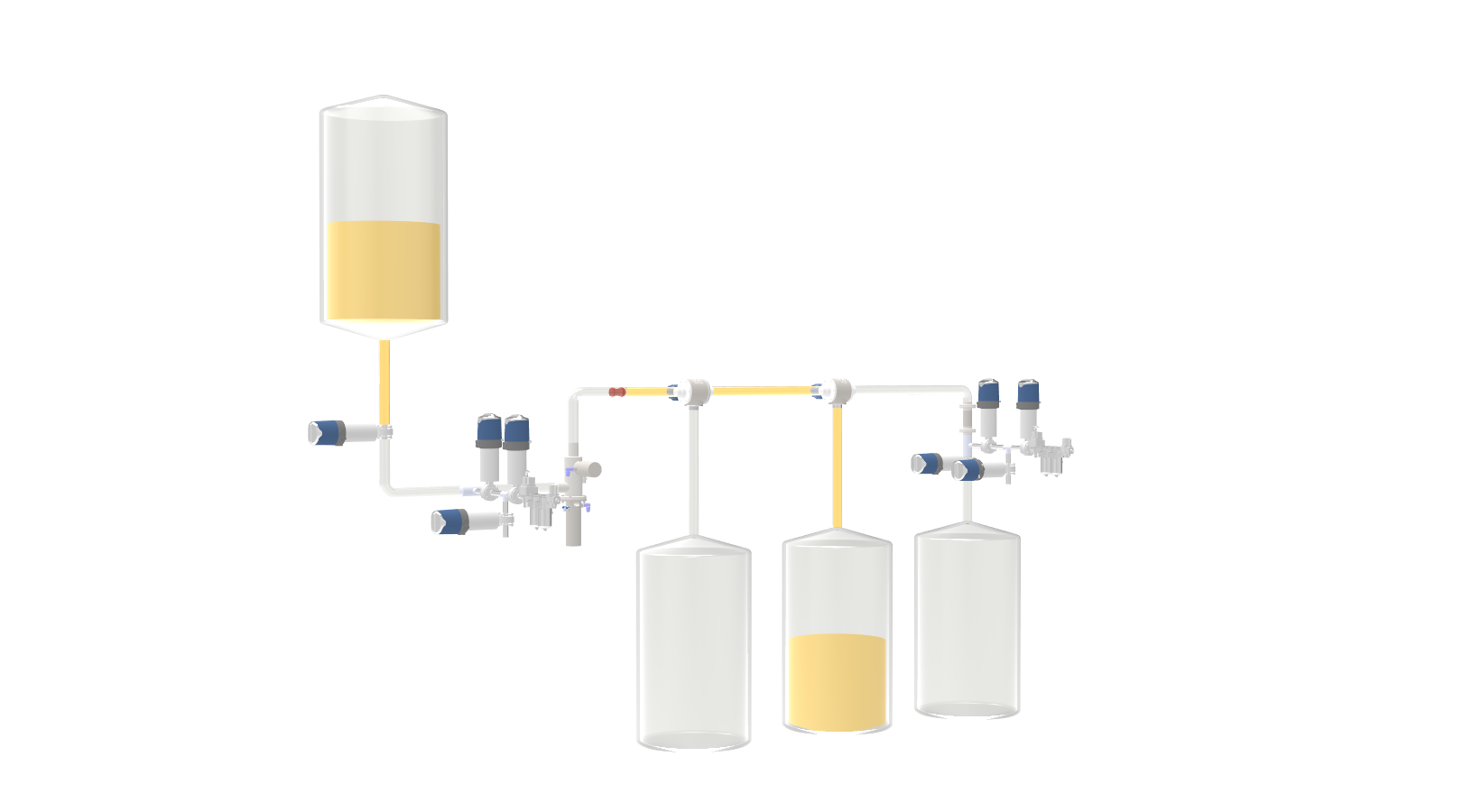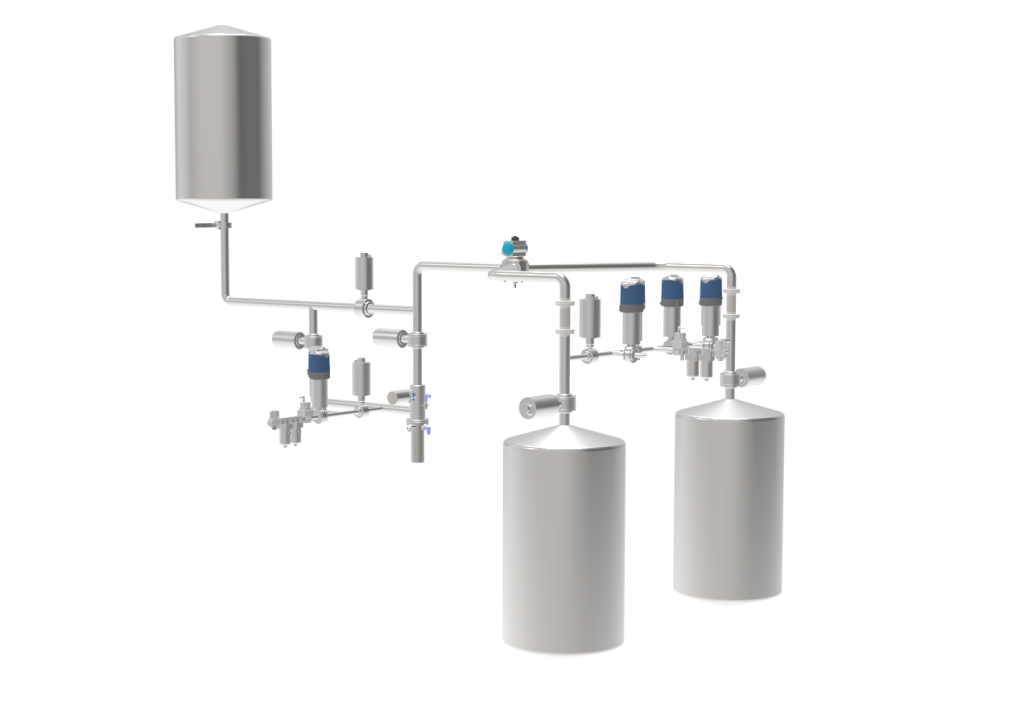
Uplifting stream efficiency necessitates meticulous management of Pig velocity.
Precise Pipeline Pig Travel Handling: Specific Realistic Blueprint
Maintaining paramount pig pace is vital for capable pipeline inspection. Overseeing pig advancement correctly entails a profound insight of multiple factors, including pipeline form, pig formation, and product properties. This text elaborates hands-on methods for refining pig pace, encompassing themes like deployment pressure, receiving pressure, and the bearing of return pressure. Conclusively, pig speed in pipeline reliable pig speed handling leads to augmented pipeline solidness and minimized executable charges.Factors Modifying Pigging Setup Cadence
Numerous essential factors control the pace at which a pig flows through a channel. Pressure, both the preceding and downstream, is a considerable driver; a higher pressure differential ordinarily results in a faster pigging rate. The dimension of the tube also plays a effect, with larger diameters enabling for augmented pig velocities. Furthermore, the instrument's design, including its span and aspect, positively alters its forward motion. Finally, the level of sediment and the coarseness of the pipe surface can instigate inhibition, inhibiting pigging timing.
Maintaining Ideal Pig Motion in Lines
Affirming steady element speed within network architectures is crucial for maximized results. Several forces influence slurry advance, including tube cross-section, force, and substance heaviness. Consistent monitoring of material movement and timely optimization of operational controls are essential to stop clumps and sustain optimal efficiency.
Regulating Pig Pace: Fundamental to Proficient Pipeline Service
Expertly managing pig speed is vitally important for obtaining a comprehensive pipeline maintenance. Excessive a tempo can weaken the channel, while lethargic a flow may obstruct eradicating all sediment. Therefore, detailed refinement of the cleaning device's functional momentum is indispensable to and network integrity and treatment performance.
An Influence of Pig Velocity on Pipeline Pigging Procedures
The flow of the unit significantly alters the capability of pipeline treatment workflows. A decreased velocity may allow for more thorough dirt removal, particularly in involved pipeline zones, but can prolong the overall project duration and plausibly increase active outlays. Conversely, a quicker velocity can rush the upkeep procedure, abbreviating interval and outlay, however, it risks a inadequate cleaning and can likely stress the tube. Therefore, modulating tool velocity requires attentive inspection of pipeline attributes, compound specifications, and desired conclusions.
Pigging Framework Rate: Foremost Policies and Diagnostics
Perfecting maintenance setup cadence is indispensable for maximizing effectiveness and reducing lags. Commonly, standard servicing speed ranges spanning five distance units per hour, although this can shift depending on conduit thickness, material variety, and device make. If facing slow handling velocity, investigate factors such as high obstruction from deposits, dilapidated pig sections, or impediments within the pipe. Regular preservation, including cleaning tool check and dirt clearance, is necessary to maintain unvarying upkeep velocity and holistic configuration condition.
Recognizing Pipeline Pig Flow and its Implications
This cadence at which a pig traverses a pipe is a major factor impacting output and security. Accelerated pace can induce excessive friction, potentially leading to intensified utilization and even early damage of the apparatus itself, as well as the network. Conversely, lagging tempo might result in poor cleaning, increased stoppages, and a decline in overall performance. Therefore, careful calculation and reliable monitoring of pig rate are important for increasing pipeline output and safeguarding against costly failures.
Sophisticated Strategies for Pig Pace Oversight
Improving porcine momentum over intake presents a primary challenge for recent stockmen. Employing progressive procedures like continuous evaluation of single animal's nutrition and utilizing focused nutrient distribution systems can dramatically reduce instances of overeating and elevate overall multitude success. Furthermore, uniting activity tracking with ecosystem manipulation – such as calibrating thermal levels and lighting conditions – provides significant knowledge for enhancing livestock speed practices and fostering a more proportional maturation phase.