Cheers,
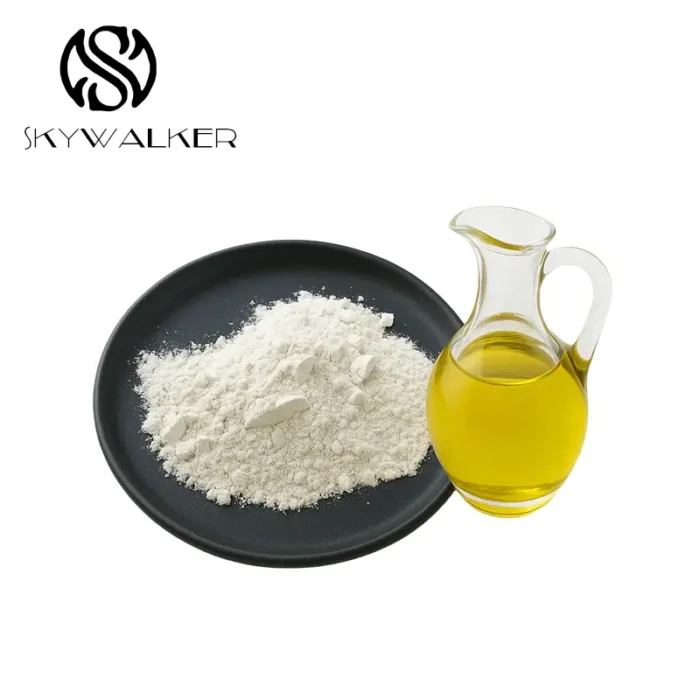
Diatomaceous particle, typically known as DE, signifies a notable organic filtration strategy. Extracted from the fossilized remains of microscopic aquatic vegetation, this granular component boasts a unique structure – millions of tiny, minute chambers creating a vast surface area. This configuration provides exceptional refining capabilities, effectively removing particles from wets. It’s a harmless and earth-conscious replacement to engineered filters across various applications, including water filtration, wine processing, and agricultural systems.
DE Filtering Agent: A Detailed Manual for Enhanced Outcomes
Obtaining crystal-clear achievements in your purification efforts often utilises effective cleansing methods. Diatomite filter aid, a exceptional natural element, offers a significant improvement, acting as a layer to collect microparticles that would otherwise pass through your screen. This guide will review how diatomaceous earth – often simply called diatomite – works, its manifold applications in beverage production, and functional tips for prime performance. Proper usage of diatomite can dramatically boost the grade of your final yield, leading to exceptional taste and look.
Kieselguhr Introduction: Uses, Pros, and Safeguards
Natural sediment, also known as diatomaceous soil, is a frequent sedimentary stratum composed of the fossilized remains of aquatic microorganisms. It's primarily built of silicon dioxide, silicon-based substance, and has a remarkably porous structure. This unique composition lends itself to a assortment of applications across numerous areas. Here's a look at its tasks:- Filtration: Extensively employed in cleaning systems and ale crafting to remove foreign substances.
- Arthropod Suppression: Acts as a natural insecticide by damaging the outer shells of insects.
- Buffing: Employed as a gentle abrasive in cleaning compounds.
- Medicine & Food: Can be found in anticaking ingredients and inactive ingredients in certain formulations.
Deciding on that Appropriate Filtration Aid Ingredient: Insights about The Activity
Identifying this best filtering product powder variety operates as critical intended for obtaining optimal separation among this operation. Study diligently elements for example particle volume, flow circulation, cake formation, and chemical compatibility with your substance. Typical types comprise diatomaceous substance, perlite and cellulose tendrils, each exhibiting different performance features. Fitting judgment of these components will enable you identify this most appropriate filtering material choice.
Diatomaceous Earth vs. Distinct Cleaning Helpers: Preferred Pick?
Whenever determining a filtration aid for your activity, many alternatives develop beyond simply earth powder. While silica powder remains a established fix due to its fine particle measurement and excellent straining abilities, options like natural mineral and cellulose fibers grant uncommon advantages. Eventually, the prime election relies on factors namely fee, aptitude, suitability with your unique compound and the recommended grade of clarity.
Diatomite Structure: Form and Purification Features
Earth Sediment is a extraordinary sedimentary aggregate formed from the fossilized remains of diatoms. These minute organisms possess intricately formed silica plates, termed cases, exhibiting a ventilated structure with a complex of micro pores and conduits. This architecture grants kieselguhr its exceptional clarification capabilities; the extensive surface area and joined pore measure allow it to effectively hold granular matter from aqueous substances and emissions. Thus, it's generally utilized in several filtration functions, including hydrated substance purification, consumable liquid diatomite filter aid supplier screening, and medical production.Earth-Conscious Filtration: Delving into Fossil Silica Powder Variations
Expanding concerns related to aqueous matter cleanness and ecological impact are pushing a endeavor for modern clarifying systems. The especially effective resolution involves organic earth material, a genuinely found sedimentary deposit composed of the residues of small-scale algae. In contrast to conventional clarifying arrangements that regularly depend on constructed constituents, diatomaceous earth offers a renewable plan. Its peculiar intricate architecture creates a notably useful filter capable of taking out a large range of toxic particles from multiple water holdings.
Think about some assets of using diatomaceous DE in filtration:
- Grants outstanding processing productivity.
- Is planet-friendly benign.
- Exercises a economical plan.
- Is able to be harnessed for multiple endeavors.
Self-Made Pool & Pond Sanitation: Using Fossil Powder
Want a clear pool or pond without solutions? Consider using fossilized silica! This natural powder is a highly efficient separating agent. It works by physically removing tiny sediments and other impurities from the pond liquid. You can add it directly to your water body or deploy it in a DIY cleaning solution. Consistently use food-grade diatomaceous earth, as other types can be detrimental to organisms. Here's how it can help:
- Purges murky water
- Refines optical clarity
- Offers a organic alternative to strong cleaners
Moving From Soil to Screen: The Path of Natural Filter
Think of a material seemingly ordinary, yet produced over eras – that’s diatomite. It launches as the structures of microscopic algae, diatoms, that flourish in still basins. When these delicate creatures cease living, their silicon-heavy cell coverings subside to the bottom of the area of water, piling up over extensive periods. These strata are then concealed under covers of other sediment, subjected to massive pressure and calorific power. Finally, this mass is procured, fabricated, and restructured into the variable filtering material we appreciate as diatomite.