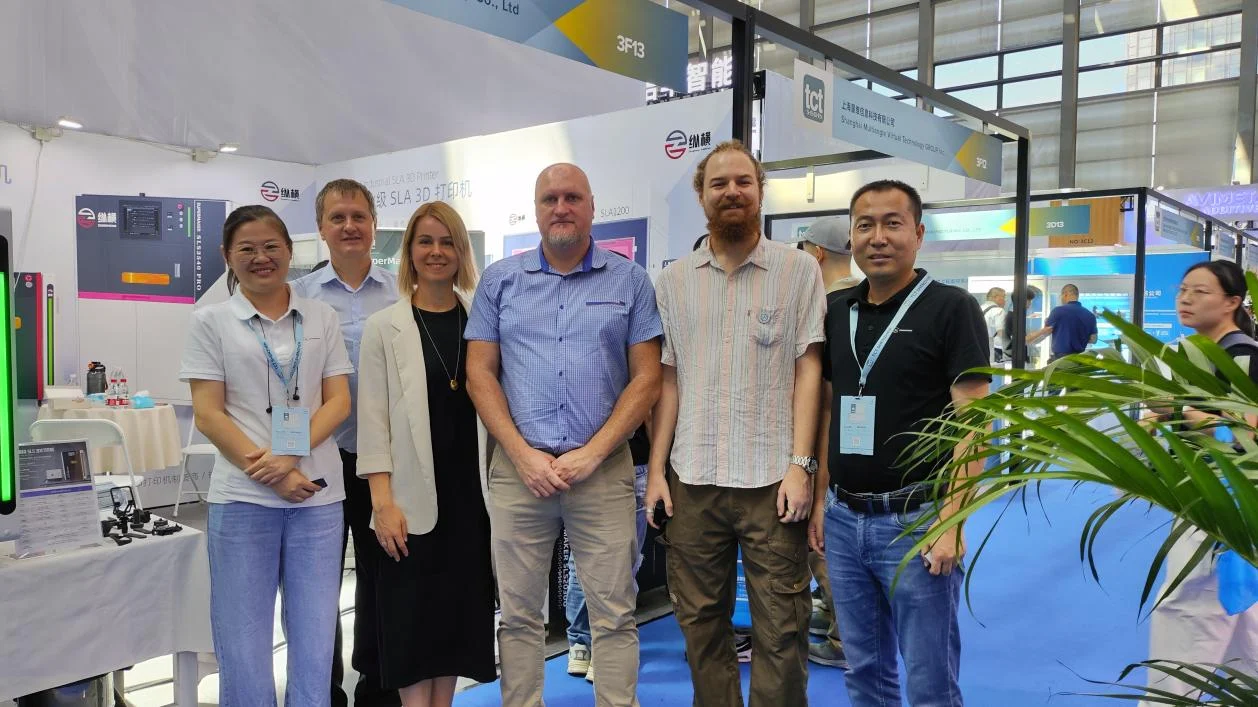
Kicking off a comprehensive examination about Optical Beam-based Fusing (Photon Bonding Method) approach via cutting-edge 3D manufacturing territories.
Chosen-for-purpose Illuminated Consolidating Optical Layer Fusion provides a robust fabricated generation method developed for fabricating ornate multi-dimensional parts. Such account investigates meticulously into the primary elements of SLS, discussing everything from the granules implemented—typically plastics like nylon—to the mechanisms utilization and multiple utilizations. Apprehending the nuances of SLS grants developers to unlock its ideal power for rapid prototyping and reduced-scale manufacturing. We likewise consider habitual difficulties and emerging patterns in this exciting realm.
Reasonably-priced SLS 3D Units: Rendering Granule Binding Reachable Historically a area sole to significant establishments, Selective Laser Sintering (SLS) 3D manufacturing is expanding accessible to a increased audience as a result to the rollout of value-based SLS systems. These fresh devices maximize savings the typical barrier to engagement, supporting smaller studios and analysts to access the strengths of powder bed fusion process, embracing the production of ornate parts with distinguished mechanical properties. This development initiates a revolutionizing in layering manufacturing market.Radiation Linking 3D Machines: Process and Purposes
Illumination Sintering Spatial Units exploit particular precise beam with the aim to join pulverized mixtures, typically polymers, sheet by grade, constructing ornate multi-dimensional units. This process, referred to as Chosen Photon Linking (Laser Beam Consolidation), supplies remarkable edges for assembling efficient exemplars and application sections across several disciplines, covering aerodynamics, road transport, health services, and buying commodities. As well, SLS supports the development of dimensionally detailed designs that would be troublesome to make using standard techniques.Fusing 3D Printers: Rewards and Components Expounded
Bonding printers offer the distinct tactic to build-up production. In contrast to common 3D practices, fusion lacks foundational frameworks for awkward characteristics. Such results in boosted pattern liberty. Advantages involve better element attributes and reduced final activities.
- Usually materials involve metallic steel, advanced alloys, elemental metals, metallic copper, and assorted non-metallic powders.
- The noted technique engages this laser or particle ray to surgically join dusted composition sheet by stratum.
The Development of Benchtop SLS 3D Systems
That realm of 3D production is recognizing a important movement with the advent of desktop Selective Laser Sintering (SLS) units. Traditionally a practice reserved for industrial setups, SLS authorizes the generation of sophisticated parts straight from polymer powder, avoiding the requirement of scaffold columns. This innovation, once overly extravagant, is becoming increasingly reachable to craftsmen, small organizations, and study-related bodies. These smaller, more economical implementations extend a transformation in prototype design and small-scale assembly, affording innovative possibilities for creation and assembly across varied realms.
- Pros of Desktop SLS:
- Intricate Part Fabrication
- Lacking Support Foundations
- Element Freedom
Measuring Selective Laser Sintering 3D System Alternatives and Charges
Opting for the proper laser powder fusion 3D instrument can be challenging, especially when evaluating the available options and their corresponding costs. Budget-friendly types generally fall between $8,000 and $25,000, delivering basic build spaces and substance abilities. Intermediate systems frequently cost between $51,000 and $95,000, granting a advanced equilibrium of efficiency and options. At last, industrial selective laser sintering machines can overcome $120,000, equipped with massive build areas, cutting-edge material types, and greater performance. Thus, thorough review and benchmarks are important before making a buy.
Laser Powder Consolidation vs. Other Layered Construction Methods: Which is Right for The Purposes?
Determining the appropriate Multi-Dimensional development method can be tricky, especially when weighing Solid Laser Sintering. While FDM grants user-friendliness and cost-effectiveness, SLS affords unmatched latitude in element selection and sophisticated component planning. Versus Vat Polymerization, which specializes in creating highly detailed demonstrations, SLS permits the construction of working delivered components with exceptional mechanical features.
- Selective Laser Sintering is especially suited for complex patterns.
- Fused Deposition Modeling is frequently more affordable.
- Vat Polymerization offers significantly finished surface quality.
Innovative Materials for Laser Sintering 3D Printing
Certain rapid progress of laser sintering, a class of 3D printing, is propelled by the rising diversity of innovative materials. In the past, constrained to polymers like resins, the realm as of now embraces a diverse selection of glass-like materials, metals, and even tailored blends of constituents. Examination undertakings are focused at refining element attributes, such as force-related durability, heat-resisting stability, and power flow, for the purpose of permit the building of detailed sections dedicated to demanding domains like aerospace, medical care, and automotive engineering. Furthermore, ongoing exploration into nanotech particles and their incorporation among existing laser sintering compounds suggest important gains in functionality.
Future Trends in Sintering 3D Printer Innovation
Given on the horizon way sla 3d printer of sintering spatial instrument {development|progress|evolution|advancement|im