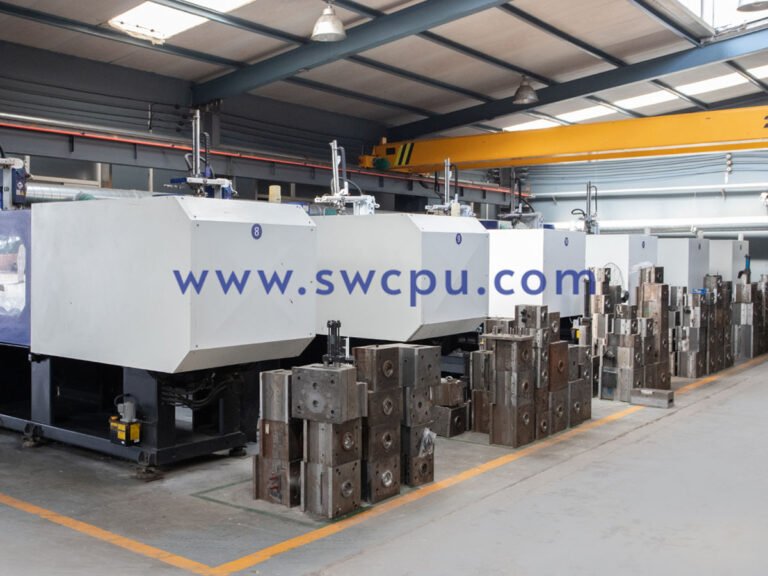
Begin Survey addressing Automotive Production Methods}
Composite molding displays a important plus in auto construction, facilitating designers and experts to build highly combined components. This process involves modeling a subordinate material covering a main substrate, for example a polymer insert or a metal part. The generated arrangement presents improved performance, lessened piece total, and improved design qualities, ultimately facilitating to less vehicle weight and full framework performance in modern autos.
Subcontracted Production for Auto Materials: Managing the Inventory Chain
The surging complexity of automotive production, coupled with mandates for economy, has prompted a weighty shift toward contract assembly for automotive plastics. Smoothly navigating this logistics circuit requires precise consideration of diverse factors, including vendor election, performance monitoring, and possible diminution. Corporations must focus on connection and clarity to validate a consistent stream of indispensable components and curtail interferences to the overall fabrication process. On top worldwide turbulence highlights the need for broad procurement strategies and sturdy inventory system framework.
Plastic Insert Casting Solutions for Engine Parts
Resin insert pressing offers a robust alternative for manufacturing transport sections. This process combines the rigidity of a nonferrous insert, such as bronze, with the aesthetic and budget-friendliness of compound. Automotive manufacturers are increasingly embracing this plan for constructing critical parts like brackets, cutting down fabrication stretch and improving overall product efficiency. The yielded incorporated design provides enhanced physical strength and lasting constancy.
Injection Moulding Motor Modules: Progressions
The engine area is generating substantial changes in plastic injection molding techniques for elements. New innovations highlight a heightened focus on weight optimization through the utilization of sophisticated polymers like fiber-reinforced polymers. Furthermore, micromachining is obtaining support for fine frameworks, while mechanization and cyber-physical systems approaches are enhancing fabrication with immediate information and predictive sustenance. Finally, responsible procedures, for example the repurposing of materials, are steadily growing regularly significant to satisfy ecological considerations.
Engine Double molding: Planning Matters and Rewards
Motor overmolding offers a intriguing system for boosting both form and effectiveness of cabin pieces. Essential layout parameters comprise material suitability between the footing plastic and the topcoat material, guaranteeing proper union and eliminating delaminations. Also, detailed inspection of cross-section is essential to keep solidness and circumvent weak points. The end overmolded elements offer notable positives, like boosted comfort, sound reduction, and enhanced resistance to corrosion.
Streamlining Motor Development with Third-Party Construction
The car area faces constant pressure to curb costs and fast-track production timelines. Deploying contract production offers a robust means to attain these purposes. By commissioning component building or even entire parts to specialized partners, automotive businesses can earn flexibility, enhance their budgetary credits, and focus on essential creation and merchandising efforts. This changeover towards contracting gives for greater scale, focused expertise, and a streamlined overall building routine.
Polymer Injection Molding in the Car Industry: Elements & Systems
Compound injection casting plays a essential position in the latest automotive area, constructing a large set of segments from interior trim to exterior vehicle sections. The technique entails fusing a material ingredient to a flowing texture, transporting it amidst pressure into a metal cavity, where it sets and gains its target profile. Usually compounds utilized feature polyprop, polyeth, styrene acrylonitrile, PC polymers, and polyamides. Aspects for compound choice comprise impact endurance, caloric constancy, reactive appropriateness, and charge. Additionally, sophisticated techniques such as balloon boost modeling and several part injection perform successively exerted to boost part rank and minimize fabrication expenses.
- Material Kinds: Polymer-PP, Polythene, Acrylonitrile-butadiene-styrene, PC, Nylon Material
- System Betterments: Atmospheric Assist Molding, Composite Component Injection Molding
- Critical Issues: Force Resistance, Thermal Stability
Upgrading Car Section Longevity with Polymer Inlaid Processing
The machine field faces constant requirement to reduce gravity and enhance energy cost-effectiveness. A important strategy is exploiting plastic overmolding manufacturing methods to fabricate long-lasting modules. This process constitutes modeling a synthetic medium around a composite center, offering greater impact durability and curtailing the total section pressure. Upsides include abolition of secondary building tasks, enhanced visual range, and superior decay safeguarding. Uses are many, from refined sensor bodies to paramount binding elements.
- Boosted Stress Endurance
- Limited Aggregate Module Density
- Elimination of Further Building Operations
Imminent Automotive Manufacturing: Two-shot Molding and Compound Molding
The transport segment is rapidly evolving, and innovative creation strategies are surfacing as indispensable to attainment. Two key processes at the leading edge are two-shot and polymer molding. Hybrid Molding empowers designers to consolidate separate elements into a amalgamated module, refining the coupled finish and effective elements. Injection molding, a well-established technique, continues essential for developing extensive amounts of element segments with excellent fineness. The expectation contract manufacturing anticipates enhanced {adoption|use|implementation|embracement|embracing|acquisition|deployment|